 Caregiver's Guide
Youth Prevention Guide
Understanding Kratom:
A Caregiver's Guide
Science-based information for parents, teachers, and youth leaders.
This guide is designed to give caregivers accurate, science-based information about kratom — what it is, what it is not, why age restrictions exist, and how to talk with the young people in your care.
It is not designed to alarm. It is designed to inform.
1 · The basics
What Is Kratom, Actually?
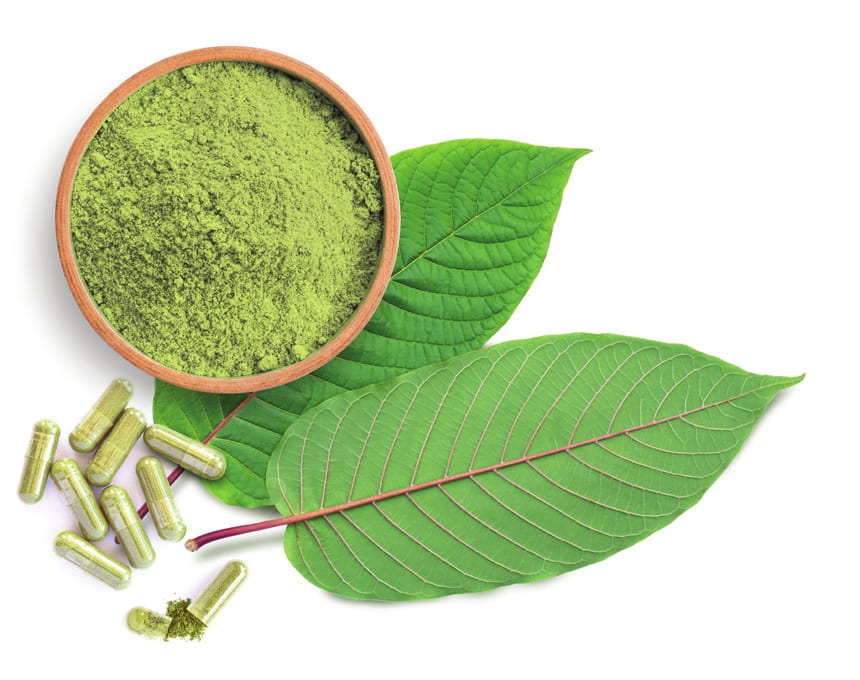
Kratom (Mitragyna speciosa) is a tropical tree native to Southeast Asia. Natural kratom leaf is a botanical product, not a synthetic drug.
Its primary active compound, mitragynine, is a partial opioid receptor agonist — different from full agonists like oxycodone, morphine, or fentanyl. Lower doses tend toward alertness; higher doses toward relaxation and pain relief.
NIDA is sponsoring the first human clinical trial of purified mitragynine for opioid use disorder — a sign federal researchers take this distinction seriously.
2 · What to look for
Not Everything Called Kratom Is Natural Kratom
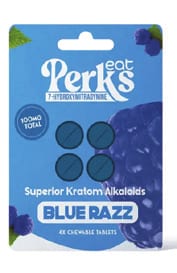
7-hydroxymitragynine (7-OH) isn't produced by the plant — it forms in trace amounts after harvest. Some products are formulated with semisynthetic 7-OH or fully synthetic products. Neither product is kratom no matter the label.
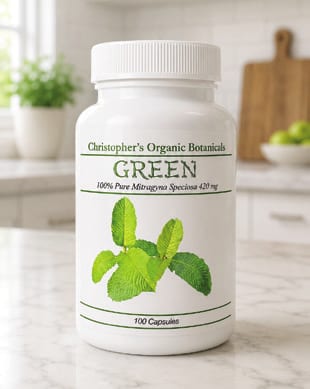

- Raw powder, capsules, tablets: minimally processed natural leaf. Green/brownish, intensely bitter.
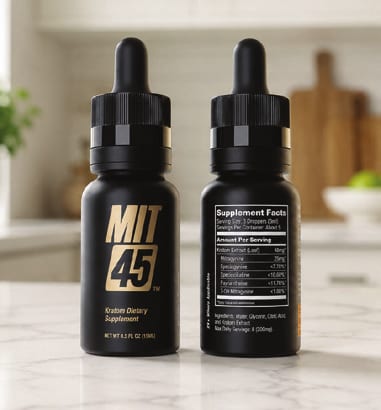
- Liquid extracts & shots: natural full‑leaf kratom extracts (like the MIT45 example above). Isolated‑alkaloid concentrates are not kratom. Some also include kava — that combination is not well studied.
- Falsely labeled products: synthetic/semisynthetic compounds with no real connection to the plant.
- Gummies, candies, flavored powders: almost always semisynthetic 7-OH — the formats most often youth-targeted.
If a young person has consumed any unfamiliar product: contact a healthcare provider or poison control (1-800-222-1222) right away. Bring the product and packaging; ask about a Certificate of Analysis (COA).
3 · The science
Why Age Restrictions on Kratom Matter
The human brain continues developing well into early adulthood, actively building the neural connections that govern decision-making, emotional regulation, and long-term cognitive function.
Mitragynine partially binds to opioid receptors. Human studies on what that interaction means during active brain development do not exist and could not ethically be conducted — that gap in the science is itself the basis for caution.

4 · Prevention
What Protects Young People?
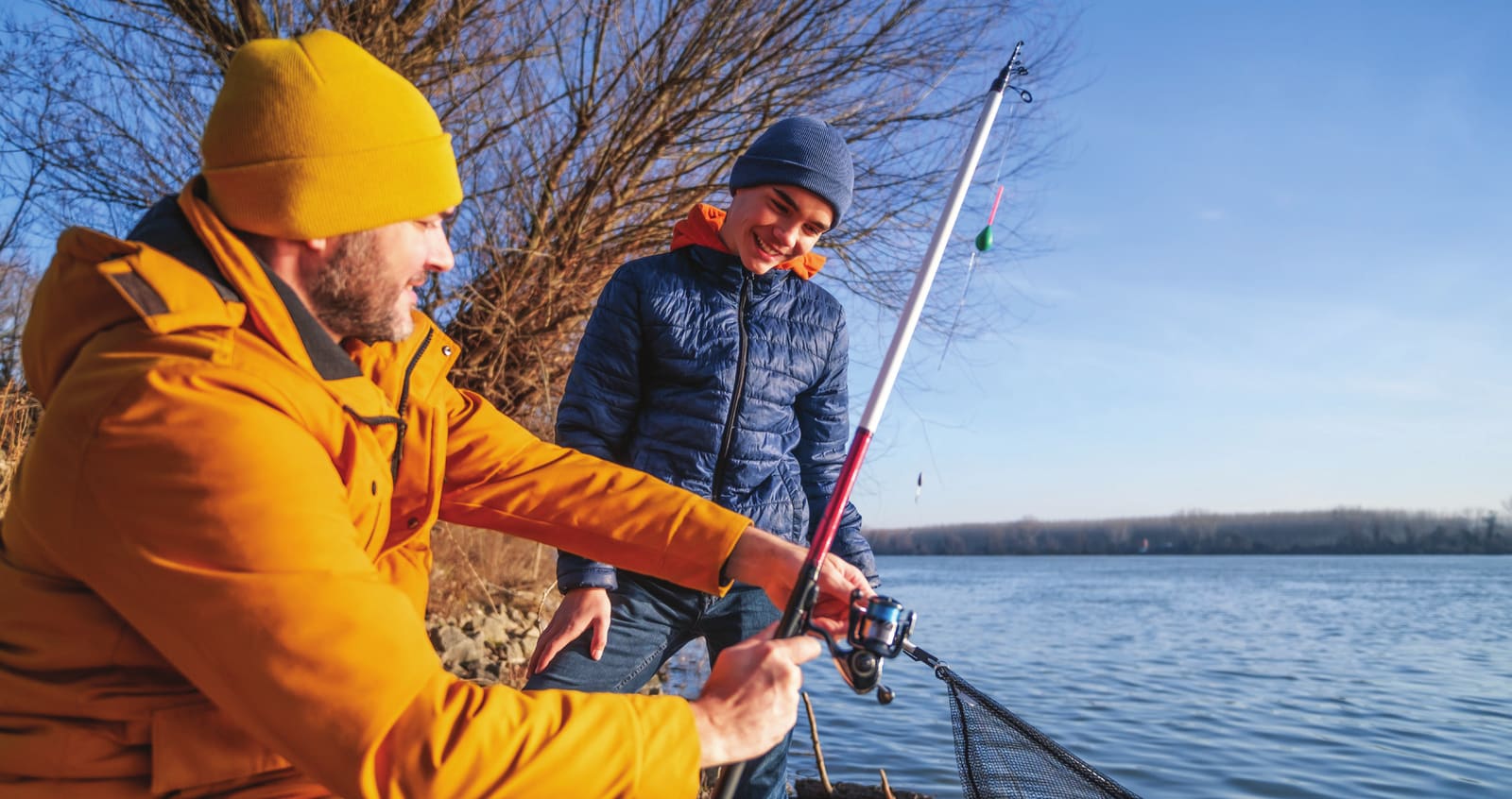
Certain caregiver behaviors function as protective factors — not guarantees, but meaningful buffers. Most are things you're likely already doing.
- Knowing where your child is and who they're with
- Open, non-judgmental communication about substances
- Strong parent-child relationship quality
- Consistent, clear expectations about substance use
- Involvement in school life and academic progress
- Structured activities and positive peer groups
- Awareness of mental health and emotional wellbeing
- Seeking support if your own use is a concern
6 · How
How to Talk to a Young Person About Kratom

- Lead with curiosity, not accusation. "Have you heard of kratom?" opens; "Are you using kratom?" closes.
- Use brain science, not fear. Exaggerated danger claims tend to backfire.
- Be honest about the unknowns. Researchers don't yet fully understand kratom's effect on a developing brain.
- Acknowledge adults use it differently — a finished-developing brain vs. one still developing.
Make it safe to come back to you. The goal isn't to end the topic — it's to keep the door open. That ongoing relationship is the protective factor the research values most.